
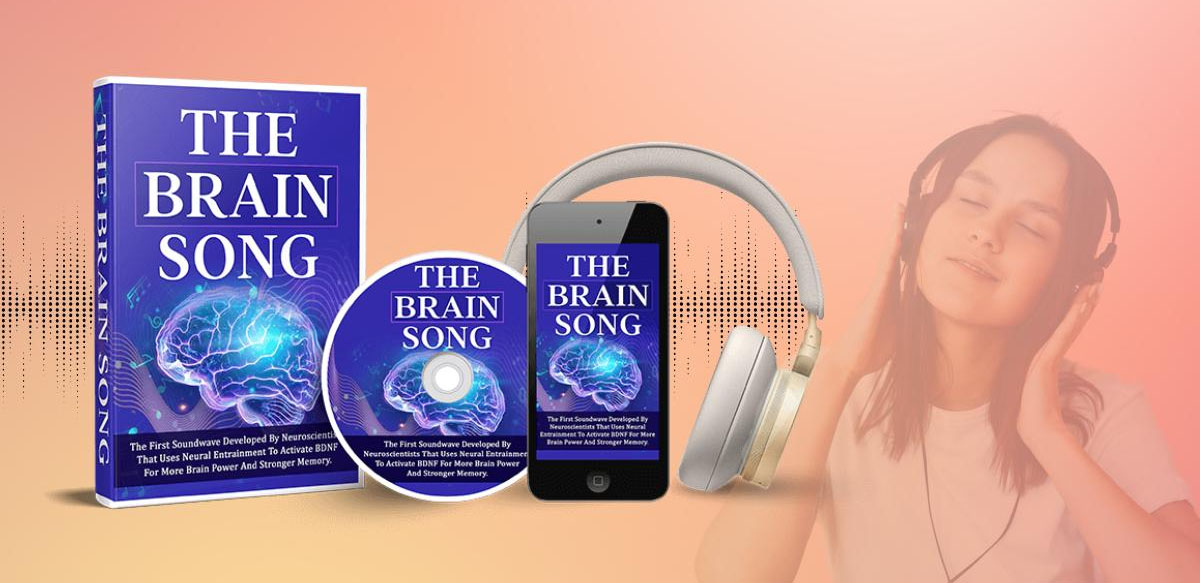
A new kind of memory solution is quietly gaining attention
In a world where distractions are constant and mental fatigue feels almost unavoidable, the search for better focus and sharper memory has never been more urgent. People are juggling work, studies, notifications, and endless streams of information, often leaving their minds overwhelmed. It’s no surprise that innovative solutions promising mental clarity are catching attention.
One such concept that has sparked curiosity is The Brain Song, a digital audio-based program designed to support memory, focus, and cognitive clarity. Naturally, this leads many to ask: what is the brain song for memory and does science really support this kind of sound stimulation? It’s a fair question—especially in a market filled with bold claims and mixed results.
This article takes a deeper, balanced look at what The Brain Song is, how it works, what users are saying, and whether there is any real scientific foundation behind the idea.
Understanding the growing struggle with memory and focus
Before diving into the product itself, it’s important to understand why tools like this are becoming popular. Memory issues are no longer limited to aging populations. Students, professionals, and even younger individuals are reporting difficulty concentrating, remembering details, or staying mentally sharp throughout the day.
Modern lifestyles play a major role in this shift. Poor sleep habits, high stress levels, digital overload, and lack of mental downtime all contribute to cognitive fatigue. Many people describe experiencing “brain fog,” a state where thinking feels slower, recall is weaker, and focus slips easily.
Traditional solutions like supplements, brain-training apps, or meditation practices do exist, but they often require time, consistency, or lifestyle changes that not everyone can maintain. This gap has created demand for something simpler—something passive, easy, and accessible.
That’s where The Brain Song enters the conversation.
What is the brain song for memory and how does it actually work
At its core, The Brain Song is a 17-minute audio program designed to be listened to daily using headphones. Unlike supplements or apps that require active participation, this approach is passive. You simply press play and listen.
The concept behind it is based on something known as neural entrainment. This refers to the brain’s natural tendency to synchronize its electrical activity with external rhythmic stimuli, such as sound. The Brain Song uses carefully engineered frequencies—often referred to as gamma waves—to encourage the brain to enter a state associated with focus, memory processing, and cognitive clarity.
This is where the central question arises again: what is the brain song for memory and does science really support this kind of sound stimulation?
To answer that, we need to look at the science behind brainwaves and cognitive performance.
The science behind sound stimulation and brainwaves
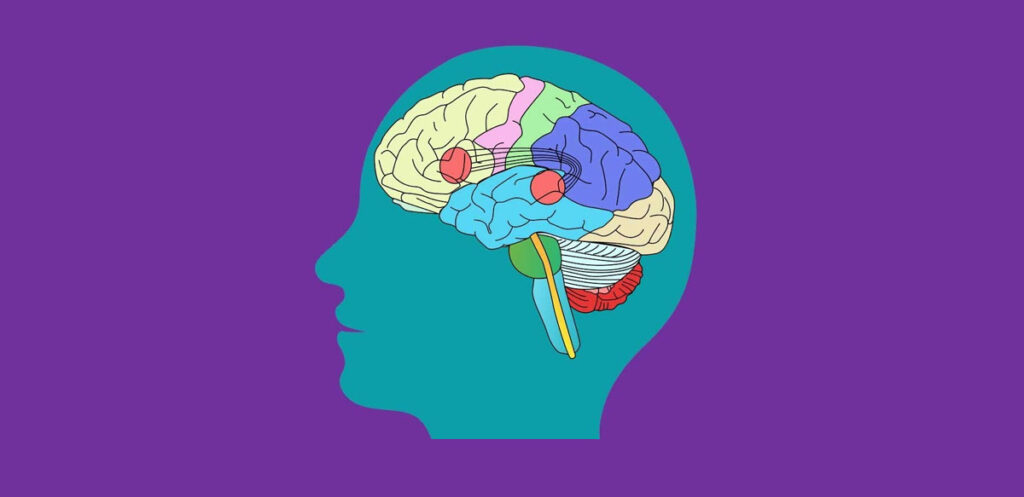
The human brain operates using electrical patterns known as brainwaves. These waves vary in frequency depending on mental state. For example, slower waves are linked to relaxation and sleep, while faster waves are associated with alertness and concentration.
Gamma waves, in particular, are often linked to higher-level cognitive functions. These include memory processing, learning, and problem-solving. Some research suggests that increased gamma activity may be connected to improved mental clarity and faster information processing.
Sound-based stimulation techniques, including binaural beats and frequency modulation, have been studied for their potential to influence brainwave activity. While the research is still evolving, there is evidence indicating that rhythmic audio patterns can affect mood, focus, and relaxation levels.
However, it’s important to remain realistic. While individual components like brainwave entrainment have scientific backing, the effectiveness of any single product depends on many factors, including consistency, individual brain chemistry, and overall lifestyle.
So when asking what is the brain song for memory and does science really support this kind of sound stimulation, the honest answer is nuanced. There is a scientific basis for the concept, but results are not guaranteed for everyone.
What makes The Brain Song different from other cognitive tools
One of the reasons The Brain Song stands out is its simplicity. There are no pills to take, no exercises to learn, and no complex systems to follow. For many users, this is a major advantage.
Unlike nootropic supplements, which may come with side effects or uncertain ingredient quality, this approach is non-invasive. It doesn’t involve ingesting anything or altering the body chemically. Instead, it works externally through sound.
Compared to brain-training apps, which often require daily engagement and discipline, The Brain Song requires minimal effort. This makes it appealing to people who want a low-maintenance option.
The idea of “passive improvement” is a big part of its appeal. You don’t need to actively train your brain—you simply create the conditions for it to perform better.
Real user experiences: mixed but interesting
User feedback around The Brain Song is varied, which is typical for most wellness products. Some individuals report noticeable improvements in focus, memory recall, and mental clarity after consistent use over a few weeks.
Many describe the effects as subtle at first. Instead of a sudden transformation, users often notice gradual changes. They might feel more present during tasks, less distracted, or better able to remember small details like names or appointments.
On the other hand, some users report little to no change. This highlights an important point: results can vary significantly from person to person.
Factors such as sleep quality, stress levels, diet, and overall brain health can all influence how effective a tool like this might be. It’s not a magic solution, but rather a supportive one.
Addressing skepticism and common concerns
Whenever a product makes claims related to brain performance, skepticism is natural—and healthy. Questions like “Is this real?” or “Is it just a placebo?” are common.
Some critics argue that sound-based tools may rely heavily on expectation rather than measurable results. Others point out that while brainwave entrainment is real, its practical impact on daily cognitive performance is still being studied.
Another concern is the lack of instant results. In a culture that often expects quick fixes, a tool that requires consistent use over weeks may feel underwhelming at first.
Still, it’s worth noting that many legitimate cognitive improvements—whether through meditation, exercise, or learning—also take time. Gradual progress is often more sustainable than immediate change.
Who might benefit the most from The Brain Song
The Brain Song seems best suited for individuals looking for a simple, low-effort way to support their mental performance. This includes students preparing for exams, professionals dealing with heavy workloads, and older adults experiencing mild cognitive decline.
It may also appeal to people who prefer non-invasive approaches and want to avoid supplements or medications.
However, it is not intended to replace medical treatment. Anyone dealing with serious neurological conditions should consult a healthcare professional before trying any new cognitive tool.
The role of consistency in seeing results
One of the most important factors in using The Brain Song is consistency. Many users who report positive experiences mention listening daily for several weeks.
The idea is that repeated exposure to the audio frequencies may gradually influence brain activity over time. Skipping sessions or using it inconsistently may reduce its potential effectiveness.
This aligns with how most cognitive improvements work. Whether it’s learning a new skill or improving memory, repetition and consistency are key.
Convenience and accessibility in a busy world
Another reason The Brain Song is gaining attention is its convenience. It fits easily into daily routines. You can listen in the morning, during a break, or before starting focused work.
There’s no need for special equipment beyond a pair of headphones. The program is delivered digitally, which means instant access without waiting for shipping or physical products.
This ease of use makes it appealing to people who want a straightforward solution without added complexity.
Is it worth trying or just another trend?
The question remains: what is the brain song for memory and does science really support this kind of sound stimulation enough to make it worth trying?
From a practical standpoint, The Brain Song offers a low-risk option. It doesn’t involve chemicals, invasive methods, or significant time investment. For many, that alone makes it worth exploring.
At the same time, it’s important to approach it with realistic expectations. It’s not a guaranteed solution, and it won’t replace healthy habits like proper sleep, nutrition, and stress management.
Think of it as a supportive tool rather than a standalone fix.
Final thoughts: balancing curiosity with realism
The rise of digital wellness tools like The Brain Song reflects a broader shift in how people approach health and performance. There is growing interest in non-invasive, accessible methods that fit into modern lifestyles.
So, what is the brain song for memory and does science really support this kind of sound stimulation? The answer lies somewhere in the middle. The concept is grounded in real neuroscience, but its effectiveness depends on individual factors and consistent use.
For those open to experimenting with new approaches, it may offer subtle but meaningful benefits over time. For others, it may simply be an interesting idea that doesn’t deliver noticeable results.
Either way, it represents an evolving space where science, technology, and everyday wellness intersect. And as research continues, we may gain clearer answers about the true potential of sound-based cognitive tools.
Frequently Asked Questions
What is the brain song for memory and how is it different from other brain tools?
The Brain Song is a digital audio program designed to support memory, focus, and mental clarity through sound stimulation. Unlike supplements or brain-training apps, it doesn’t require active effort or ingestion. You simply listen to the audio daily, allowing the sound frequencies to interact with your brain activity in a passive way.
What is the brain song for memory and does science really support it?
There is some scientific basis behind the concept, particularly in the field of brainwave entrainment. Studies suggest that sound frequencies can influence brainwave patterns linked to focus and memory. However, results vary, and while the concept is supported in theory, individual outcomes depend on consistency and personal factors.
How long does it take to notice results?
Most users report subtle improvements within 1–2 weeks, with more noticeable changes after consistent use for 3–4 weeks. It’s not an instant solution, and patience plays a key role in evaluating its effectiveness.
Do I need any special equipment to use The Brain Song?
No special equipment is required. A standard pair of headphones and a quiet environment are enough to use the program effectively.
Can I use The Brain Song more than once a day?
While the general recommendation is once daily, some users choose to listen twice—typically in the morning and evening. It’s best to start with one session per day and observe how your mind responds.
Is The Brain Song safe to use?
Since it is a non-invasive audio program, it is generally considered safe for most users. It does not involve chemicals or physical intervention. However, individuals with neurological conditions or sensitivity to sound should consult a healthcare professional before use.
Will this replace medical treatment for memory issues?
No, The Brain Song is not a medical treatment. It is a wellness tool intended to support cognitive function. It should not be used as a substitute for professional medical advice or treatment.
What if it doesn’t work for me?
Results can vary from person to person. Many programs like this offer a refund policy, allowing users to try it risk-free for a certain period. Always check the official website for the latest terms.
Affiliate Disclosure: This article may contain affiliate links. If you choose to purchase through these links, we may earn a small commission at no additional cost to you. This helps support our work and allows us to continue providing in-depth, research-based content. We only recommend products that are carefully reviewed and believed to offer value to readers.